


The history of sports is a fascinating journey that reflects human civilization, culture, and the universal desire for competition and physical excellence. From ancient rituals to modern global tournaments, sports have evolved alongside societies, shaping traditions, values, and even economies. Understanding the origin and development of sports helps us appreciate their role in uniting people across borders and generations.
The earliest forms of sports date back thousands of years. Ancient civilizations such as Egypt, Mesopotamia, China, and Greece practiced physical activities for entertainment, military training, and religious rituals. Archaeological evidence shows Egyptians engaging in wrestling, swimming, and archery as early as 3000 BCE.
In Ancient China, sports like martial arts, gymnastics, and early forms of football (Cuju) were used to improve fitness and discipline. Meanwhile, Mesoamerican civilizations such as the Maya and Aztecs played ball games that held deep religious and political significance.
The Ancient Greeks played a pivotal role in shaping organized sports. The Olympic Games, first held in 776 BCE, were dedicated to the gods and celebrated physical strength, speed, and skill. Events such as running, discus throw, wrestling, and chariot racing laid the foundation for modern athletics.
In contrast, Ancient Rome focused more on entertainment and spectacle. Gladiator fights, chariot races, and public games were held in massive arenas like the Colosseum, attracting thousands of spectators. Roman sports emphasized power, endurance, and public amusement rather than athletic purity.
During the Middle Ages, sports were influenced by social class and warfare. The nobility participated in activities like jousting, fencing, hunting, and archery, which also served as military training. Common people enjoyed folk games, early forms of football, wrestling, and village competitions.
Although organized sports declined in some regions due to religious restrictions, physical games remained an important part of festivals and community life.
The 19th century marked a major turning point in the history of sports. Industrialization, urbanization, and improved transportation led to the standardization of rules and the formation of official sports organizations. Countries like England played a key role in developing modern sports such as football (soccer), cricket, rugby, and tennis.
The revival of the Modern Olympic Games in 1896 by Pierre de Coubertin further promoted international sportsmanship and competition. This era emphasized fair play, professionalism, and global participation.
In the 20th and 21st centuries, sports became a global phenomenon. Advances in media, television, and digital platforms transformed sports into a major industry. Events like the FIFA World Cup, Olympic Games, NBA, and ICC Cricket World Cup gained worldwide audiences.
Professional athletes became global icons, and sports started influencing fashion, politics, and popular culture. Women’s sports also gained recognition, promoting gender equality and inclusivity.
Today, sports play a crucial role in promoting physical health, mental well-being, teamwork, and discipline. They bring people together regardless of nationality, language, or background. Schools, colleges, and communities use sports as a tool for education, leadership development, and social unity.

The history of baseball dates back to the early 18th century and is deeply rooted in the United States, where it is often called America’s pastime. Baseball evolved from older bat-and-ball games such as rounders and cricket, played in England. By the mid-1800s, baseball began taking its modern form with standardized rules.
In 1845, Alexander Cartwright established the first official rules, known as the Knickerbocker Rules, which shaped modern baseball. The first professional baseball team, the Cincinnati Red Stockings, was formed in 1869. Major League Baseball (MLB) officially emerged in the early 20th century, growing rapidly in popularity.
Baseball expanded globally, gaining strong followings in Japan, Latin America, and the Caribbean. Today, baseball represents tradition, teamwork, and strategy, making it one of the most influential sports in history.

The history of boxing is one of the oldest in sports, tracing back to ancient civilizations. Evidence of boxing appears in Sumerian and Egyptian art around 3000 BCE. Boxing was later introduced into the Ancient Olympic Games in Greece, where it was practiced with minimal rules and intense physicality.
Modern boxing began to take shape in the 18th century with the introduction of the Marquess of Queensberry Rules in 1867, which established gloves, timed rounds, and weight classes. These rules transformed boxing into a regulated and safer sport.
Throughout the 20th century, boxing produced legendary figures such as Muhammad Ali, Mike Tyson, and Floyd Mayweather, making it a global spectacle. Today, boxing remains one of the most popular combat sports worldwide.

The history of basketball began in 1891, when Dr. James Naismith, a Canadian physical education instructor, invented the sport in Springfield, Massachusetts. Basketball was designed as an indoor game to keep athletes active during winter.
The original game used a soccer ball and peach baskets as goals. Over time, rules evolved to introduce dribbling, shooting techniques, and standardized court dimensions. The formation of the National Basketball Association (NBA) in 1946 marked a turning point in professional basketball.
Basketball quickly spread worldwide due to its fast pace and accessibility. Today, it is one of the most played and watched sports globally, with strong international influence.
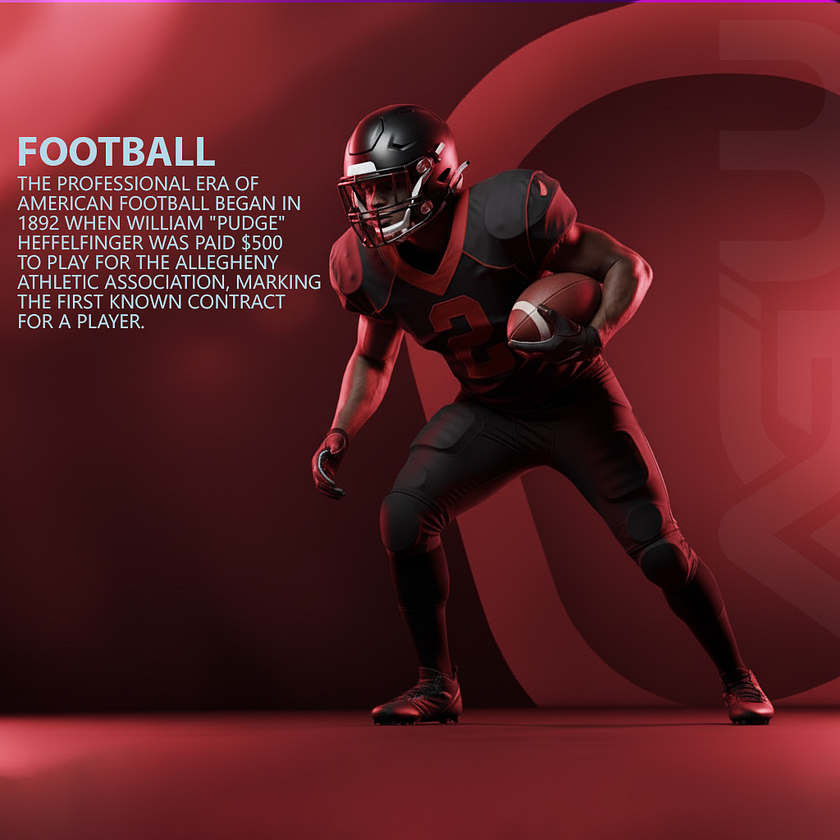
The history of football, also known as soccer, spans over 2,000 years. Ancient versions of football were played in China (Cuju), Greece, and Rome. However, modern football originated in England during the 19th century.
In 1863, the Football Association (FA) was established, creating standardized rules that separated football from rugby. The sport quickly spread across Europe and South America, gaining massive popularity.
The creation of FIFA in 1904 and the launch of the FIFA World Cup in 1930 solidified football as the world’s most popular sport. Today, football unites billions of fans across continents.

The history of wrestling dates back to prehistoric times, making it one of the oldest forms of competition. Cave paintings in France, over 15,000 years old, depict wrestling scenes. Wrestling was a major event in the Ancient Olympic Games, emphasizing strength and technique.
Different styles emerged across cultures, including Greco-Roman wrestling, freestyle wrestling, and traditional forms in Asia and Africa. In the 19th century, wrestling evolved into both competitive sport and entertainment.
Modern wrestling includes Olympic wrestling and professional wrestling, which blends athletics with performance. Wrestling continues to be practiced worldwide as both a sport and cultural tradition.