

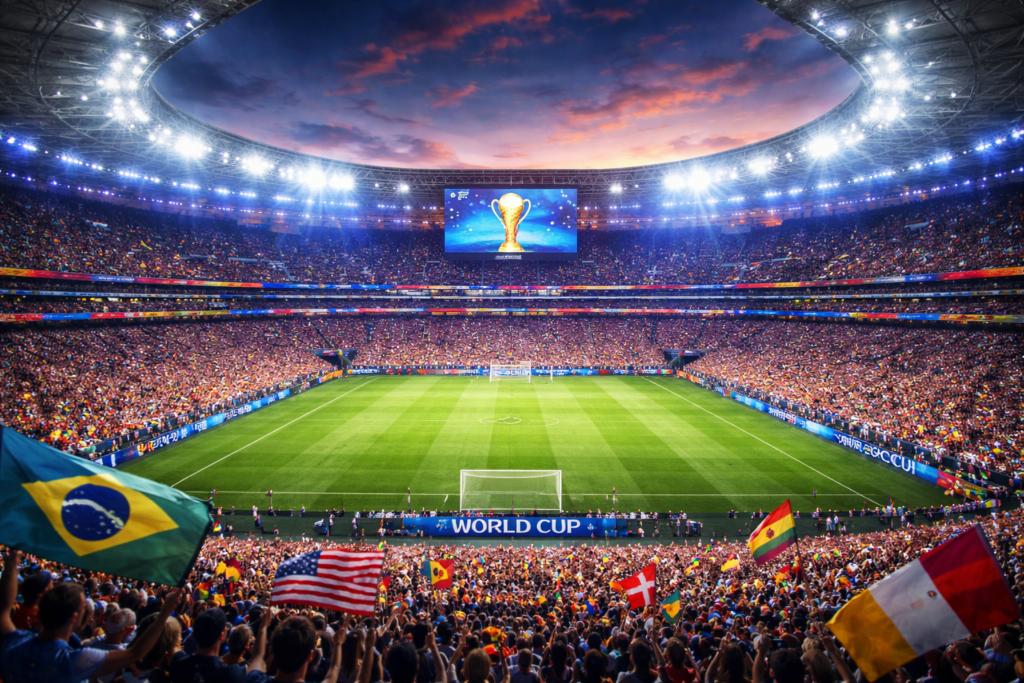
The FIFA World Cup 2026 is set to become one of the largest sporting events in history, and the United States stands to gain significant economic, cultural, and strategic advantages from hosting it. As a co-host alongside Canada and Mexico, the U.S. will welcome millions of international visitors, global media coverage, and billions of dollars in economic activity. Beyond the excitement of world-class soccer, the FIFA World Cup 2026 USA presents long-term opportunities for tourism growth, infrastructure development, and international influence.
One of the most important benefits of the FIFA World Cup 2026 in the USA is its massive economic impact. With matches hosted across major American cities, the tournament is expected to generate billions in revenue. International tourists will spend money on hotels, restaurants, transportation, shopping, and entertainment. This surge in travel will boost the hospitality industry, support small businesses, and create thousands of temporary and permanent jobs.
Major sporting events historically produce strong financial returns for host nations. The earlier 1994 FIFA World Cup significantly increased soccer’s popularity in the U.S. while delivering economic gains. However, the 2026 tournament will be even larger, featuring more teams and more matches, which means a greater economic footprint. Increased global tourism will not only benefit host cities but also enhance America’s reputation as a premier travel destination.
The USA World Cup 2026 tourism impact will extend far beyond the duration of the tournament. Millions of fans from around the world will visit American cities for the first time. A positive experience—safe transportation, quality hospitality, and cultural attractions—can convert first-time visitors into repeat travelers.
Global media coverage will also spotlight American landmarks, culture, and innovation. With billions of viewers expected worldwide, the tournament will serve as a marketing platform for U.S. tourism, business investment, and cultural exchange. This type of global exposure is difficult to achieve through traditional advertising alone.
Hosting the 2026 FIFA World Cup USA requires substantial infrastructure preparation. Stadium upgrades, airport expansions, public transportation improvements, and enhanced security systems will be implemented to manage the influx of visitors. These developments represent long-term investments that benefit residents even after the tournament ends.
Improved infrastructure supports future international events, boosts local economies, and enhances the overall quality of life. Security advancements and coordination between federal, state, and local agencies will also strengthen the country’s readiness for other large-scale gatherings.
The FIFA World Cup 2026 benefits for USA soccer are equally significant. Soccer has steadily grown in popularity across the country, particularly among younger generations. Hosting the world’s most prestigious soccer tournament will accelerate this growth. Youth participation, sponsorship investments, and professional league development—especially Major League Soccer (MLS)—are likely to expand.
When the 2022 FIFA World Cup attracted record global viewership, it demonstrated soccer’s unmatched international appeal. The 2026 edition, with expanded teams and North American hosting, is projected to break even more records. This momentum can further integrate soccer into mainstream American sports culture.
Co-hosting the tournament with neighboring countries strengthens diplomatic and economic cooperation within North America. Joint planning efforts in transportation, security, and event management enhance trilateral relationships and encourage regional collaboration. Sport often serves as a bridge between nations, and the World Cup offers a unique opportunity for unity and partnership.
The FIFA World Cup 2026 economic impact will be measurable, but the event’s legacy may be even more valuable. Successfully hosting a tournament of this scale reinforces America’s ability to organize global events with professionalism and innovation. It enhances national pride and promotes cultural exchange.
Moreover, the tournament coincides with significant national milestones, amplifying its symbolic importance. A well-managed event can strengthen the United States’ global brand, showcasing diversity, hospitality, and technological advancement.
The FIFA World Cup 2026 USA represents more than just a sporting competition—it is an opportunity for economic growth, tourism expansion, infrastructure improvement, and cultural influence. From billions in projected revenue to the long-term growth of soccer in America, the benefits are substantial. If effectively managed, the 2026 World Cup will leave a lasting legacy that extends far beyond the final match, positioning the United States as a global leader in sports, tourism, and international collaboration.
We're here to assist with any inquiries you may have.